Owning a John Deere golf cart (or utility cart like a Gator) means eventually replacing wear items: brakes, tires, bearings, electrical components, and more. This guide walks you through what parts you need, where to buy them, how to decide between OEM vs aftermarket, and how Resort Life Service can help with professional golf cart service, golf cart maintenance, golf cart battery replacement, golf cart brakes, and golf cart tire replacement when you’d rather leave the job to certified techs.
Key sources: John Deere parts site and major aftermarket suppliers — these are reliable sources for OEM parts, tires, and replacement components.
Core John Deere Golf Cart Parts you’ll eventually replace
- Brakes and brake shoes/drums — most small carts use drum brakes; expect shoes to wear over time. Proper brake service is safety-critical.
- Tires and wheels — sizes vary by model (common sizes include 18×8.50-8 and 20×10-8 on some utility carts). Replace tires in matched sets when possible for even handling.
- Wheel bearings & seals — noisy or loose wheels often mean bearings need repacking or replacement.
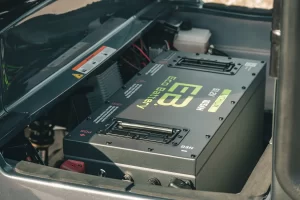
- Batteries & chargers (for electric models) — batteries are one of the highest lifecycle costs; test and replace per state of health. Resort Life offers professional golf cart battery replacement.
- Electrical components — solenoids, controllers, fuses, wiring harnesses; corrosion and loose lugs are common failure points.
- Steering & suspension parts — tie rods, bushings, shocks (if equipped), and spindles.
- Body and trim items — seats, seat frames, dash items, and storage components.
John Deere golf cart brake replacement (what to know)
Is it a DIY job or pro service? Drum-style brake shoe replacement is feasible for a competent DIYer with the right tools and safety precautions, but a full adjustment, parking brake overhaul, or axle removal often benefits from a shop. For guaranteed safe performance, consider professional golf cart brakes service.
Basic replacement overview (high level):
- Park and chock wheels, remove battery service key if electric.
- Lift and support rear of cart on jack stands (or remove wheels if fronts only).
- Remove drum(s) — inspect shoes, springs, backing plate, and wheel cylinder (if hydraulic).
- Replace shoes and springs, reassemble and adjust star-wheel (mechanical adjusters) or bleed hydraulic lines if applicable.
- Test slowly for proper stopping, then road test under controlled conditions.
If you want step-by-step printable instructions for your specific John Deere model, OEM parts lists and service procedures are available via John Deere parts and dealer resources.
Where to buy John Deere golf cart tires
Online OEM & Dealer: John Deere’s parts storefront stocks wheels and tires for many turf and utility applications — good for model-specific fitment. If you need exact OE wheel/tire assemblies, start with John Deere parts.
Big retailers & specialty sellers: Tractor Supply, Discount Tire, and specialty golf/utility tire shops carry Kenda, Carlisle, BKT, and other brands for golf and utility carts. These vendors often show fitment charts and ship nationwide.
Aftermarket suppliers: GreenPartStore, Helmar, R&R Products, and other aftermarket distributors stock a massive range of John Deere OEM cross-reference parts and generic replacement tires if you want a lower-cost alternative to OE assemblies.
Local options: If you prefer same-day pickup or fitting, local dealers and repair shops (including Resort Life Service for Madera/fresno area customers) often stock common sizes — search “Where to buy John Deere golf cart tires” and include your ZIP for local availability. Tractor Supply and local lawnmower/Garden stores also commonly stock tires in popular sizes.
John Deere golf cart repair parts near me — how to find the best source
- OEM route (John Deere dealers): Best for guaranteed fit, warranties, and model-specific parts. Use John Deere’s dealer finder or Shop.Deere to order and pick up parts.
- Aftermarket distributors: Cheaper, wider selection, and fast shipping — ideal for consumables like bearings, seals, and generic tires. GreenPartStore and Helmar are good examples.
- Local golf cart shops & service centers: For immediate needs, installation, and diagnostics. Resort Life Service’s parts desk can help source and fit parts — search “John Deere golf cart repair parts near me” to compare shops and availability locally; Resort Life also lists parts and offers in-shop service.
OEM vs Aftermarket: pros & cons
- OEM (John Deere): Pros — perfect fit, manufacturer warranty, verified compatibility. Cons — generally higher price and sometimes longer lead time.
- Aftermarket: Pros — cost savings, broad selection, often faster shipping. Cons — variable quality; check seller reputation and return policies. Use reputable suppliers like GreenPartStore, Helmar, or R&R for peace of mind.
Practical tips for ordering parts
- Always have your model number and serial number ready — John Deere parts are model-specific.
- Measure existing tire size and wheel bolt pattern before ordering tires/wheels.
- When replacing brakes, buy a full hardware kit (shoes, springs, pins) rather than individual shoes for reliability.
- Keep receipts and note part numbers; many aftermarket sellers provide cross-reference charts if the genuine part number is unknown.
Why choose professional service (and how Resort Life helps)
Complex jobs — axle removal, hydraulic brake bleeding, controller or battery system work, and safety-critical brake adjustments — are best performed by pros with the right tools and training. Resort Life Service offers experienced technicians, parts sourcing, and on-site diagnostics for John Deere and other cart brands. Call (559) 831-1971 or visit Resort Life Service to schedule golf cart service or parts help.
Frequently Asked Questions (FAQs)
Q1 — How do I know which brake shoes fit my John Deere cart?
A1 — Use your cart’s model and serial number to look up OEM part numbers at Shop.Deere or your local dealer. If you’re using aftermarket shoes, match physical dimensions and mounting style carefully.
Q2 — Are John Deere tires different from standard golf cart tires?
A2 — Some John Deere utility carts (Gators) use ATV/UTV style tires or larger agricultural sizes. Confirm wheel diameter and width; many standard golf cart tires will fit common passenger cart rims, but utility models may need a different spec.
Q3 — Can I replace just one damaged tire?
A3 — For safety and handling, replacing tires in axle-matched pairs (both rear or both front) is recommended. Mismatched tread and diameter can affect handling and braking.
Q4 — How often should I replace brake shoes?
A4 — Usage and environment affect life span; inspect annually and replace when lining is worn to manufacturer minimum thickness or if braking performance declines. Resort Life Service can inspect and advise during a maintenance visit.
Q5 — Where can I get help if I can’t identify a John Deere part number?
A5 — Contact a John Deere dealer, use Shop.Deere’s parts lookup tool, or consult aftermarket vendors who offer OEM cross-reference services (e.g., GreenPartStore). Resort Life’s parts desk can also assist local customers.
Q6 — Are replacement controllers and electrical parts model specific?
A6 — Yes. Controllers, solenoids, and wiring harnesses are model and voltage specific. Always confirm compatibility before purchase. If in doubt, have a technician verify the correct replacement.
Q7 — Do you offer installation if I buy parts online?
A7 — Many local service shops, including Resort Life Service, will install customer-supplied parts — but always confirm compatibility first. Resort Life also sells parts and provides professional installation services.